
Kesehatan Prostat Dimulai dari Nutrisi Tepat
Panduan lengkap nutrisi dan gaya hidup sehat untuk kesehatan prostat optimal. Temukan informasi terpercaya dari ahli gizi dan penelitian terkini.
Informasi Penting Kesehatan Prostat
Jutaan Pria Terpengaruh
Masalah prostat menjadi perhatian kesehatan utama bagi pria di Indonesia dan seluruh dunia.
Nutrisi Berpengaruh
Penelitian menunjukkan nutrisi yang tepat mendukung fungsi prostat yang sehat dan optimal.
Pencegahan Dini Penting
Perubahan gaya hidup dan pola makan sejak dini membantu mencegah masalah kesehatan prostat.
Pengetahuan Terpercaya
Kami menyediakan informasi berbasis penelitian ilmiah untuk membantu Anda membuat keputusan terbaik.
Mengapa Nutrisi Penting untuk Prostat?
Prostat adalah kelenjar vital yang memerlukan nutrisi khusus untuk berfungsi dengan baik. Mineral seperti seng dan selenium, serta antioksidan dari makanan alami, memainkan peran penting dalam menjaga kesehatan dan fungsi prostat. Kekurangan nutrisi tertentu dapat meningkatkan risiko berbagai masalah kesehatan prostat.
Gaya hidup dan pola makan sehari-hari memiliki dampak signifikan terhadap kesejahteraan prostat. Penelitian menunjukkan bahwa pria yang mengonsumsi makanan kaya antioksidan dan nutrisi tertentu memiliki tingkat kesehatan prostat yang lebih baik. Dengan memahami kebutuhan nutrisi prostat, Anda dapat mengambil langkah proaktif untuk kesehatan jangka panjang.
Panduan kami dirancang untuk membantu Anda memilih makanan yang tepat dan memahami kebiasaan hidup sehat yang mendukung kesehatan prostat optimal. Edukasi adalah kunci pertama menuju kehidupan yang lebih sehat.

Nutrisi Kunci untuk Kesehatan Prostat
Seng (Zinc)
Seng adalah mineral esensial yang berperan dalam fungsi prostat dan sistem reproduksi. Kekurangan seng dapat mempengaruhi kesehatan prostat. Sumber alami termasuk tiram, daging merah, kacang-kacangan, dan biji labu.
Selenium
Selenium membantu melindungi sel prostat dari kerusakan oksidatif. Mineral ini bekerja sebagai antioksidan kuat dalam tubuh. Ditemukan dalam ikan, telur, biji bunga matahari, dan beras merah.
Likopen
Likopen adalah antioksidan kuat yang ditemukan dalam tomat merah. Pigmen ini memiliki manfaat perlindungan khusus untuk kesehatan prostat. Konsumsi tomat segar atau produk tomat olahan dapat meningkatkan asupan likopen.
Fitosterol
Fitosterol adalah senyawa tumbuhan yang membantu menjaga kesehatan prostat dan sistem kemih. Ditemukan dalam biji rami, kacang almond, dan minyak tumbuhan tidak jenuh. Konsumsi teratur dapat mendukung kesehatan prostat.
Polifenol
Polifenol adalah antioksidan yang melimpah dalam teh hijau, berries, dan biji anggur. Senyawa ini membantu melindungi sel-sel tubuh dari stres oksidatif dan peradangan. Minuman dan makanan kaya polifenol baik untuk kesehatan umum.
Asam Lemak Omega-3
Omega-3 dari ikan berlemak seperti salmon mendukung kesehatan jantung dan prostat. Asam lemak ini memiliki sifat anti-inflamasi yang bermanfaat. Sumber lain termasuk biji chia, biji rami, dan kacang walnut.
Langkah Mudah Menjaga Kesehatan Prostat
Tambahkan Makanan Kaya Antioksidan
Mulai dengan menambahkan tomat, berries, teh hijau, dan sayuran hijau gelap ke dalam menu harian Anda. Makanan ini kaya akan antioksidan yang melindungi sel prostat dari kerusakan. Usahakan mengonsumsi berbagai warna makanan untuk mendapatkan spektrum nutrisi lengkap.
Penuhi Kebutuhan Mineral Penting
Pastikan asupan seng dan selenium yang cukup melalui makanan seperti tiram, daging tanpa lemak, telur, dan biji bunga matahari. Mineral ini tidak diproduksi tubuh, sehingga harus diperoleh dari makanan. Konsultasikan dengan ahli gizi jika Anda khawatir dengan defisiensi mineral tertentu.
Kurangi Makanan Berlemak dan Olahan
Batasi konsumsi daging merah berlemak, makanan cepat saji, dan produk ultra-olahan yang tinggi natrium. Makanan ini dapat meningkatkan peradangan dan mempengaruhi kesehatan prostat. Pilih alternatif yang lebih sehat seperti ikan berlemak, unggas tanpa kulit, dan makanan whole-grain.
Pertahankan Gaya Hidup Aktif
Olahraga teratur mendukung kesehatan keseluruhan dan kesehatan prostat. Aktivitas fisik membantu menjaga berat badan sehat dan mengurangi peradangan dalam tubuh. Kegiatan seperti berjalan kaki, berenang, atau bersepeda dapat dilakukan secara konsisten untuk hasil optimal.
Makanan Pilihan untuk Prostat Sehat
Makanan Kaya Seng dan Selenium
Mineral-mineral ini sangat penting untuk fungsi prostat yang optimal. Sertakan tiram, daging merah tanpa lemak, kacang-kacangan, biji labu, telur, dan ikan dalam menu mingguan Anda. Kombinasi sumber protein yang beragam memastikan Anda mendapatkan semua nutrisi yang diperlukan prostat untuk berfungsi dengan baik.
Pelajari Lebih Lanjut →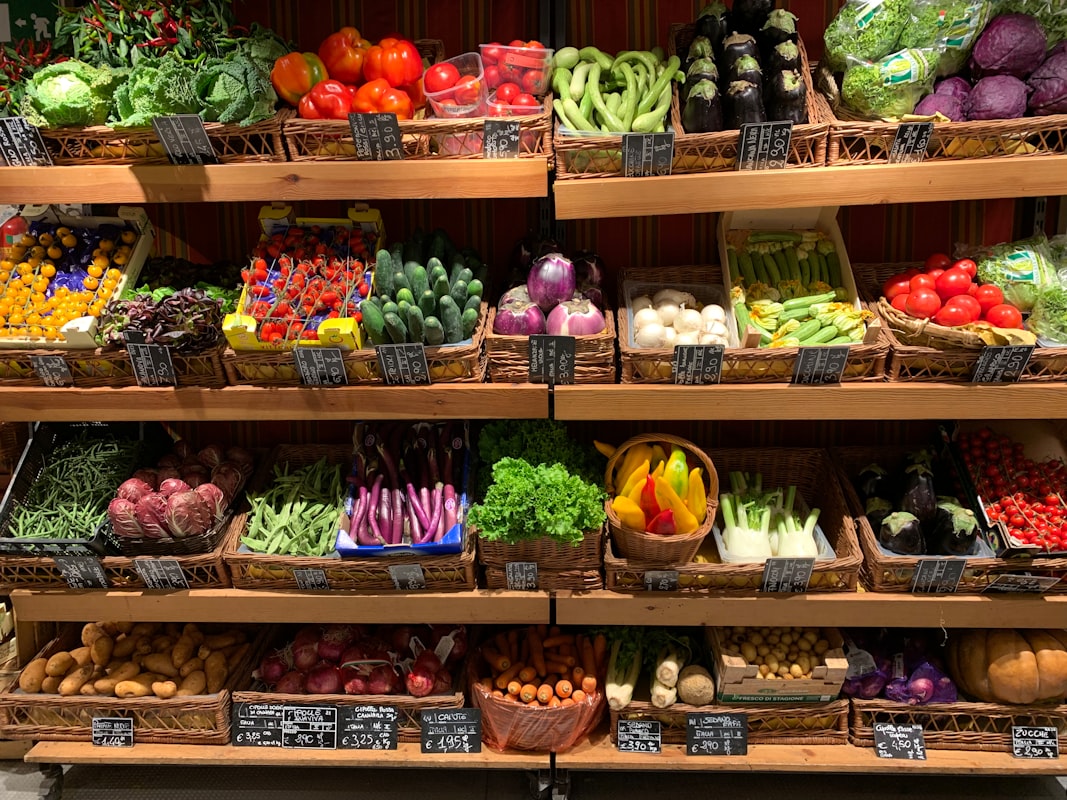
Sayuran dan Buah-Buahan Antioksidan
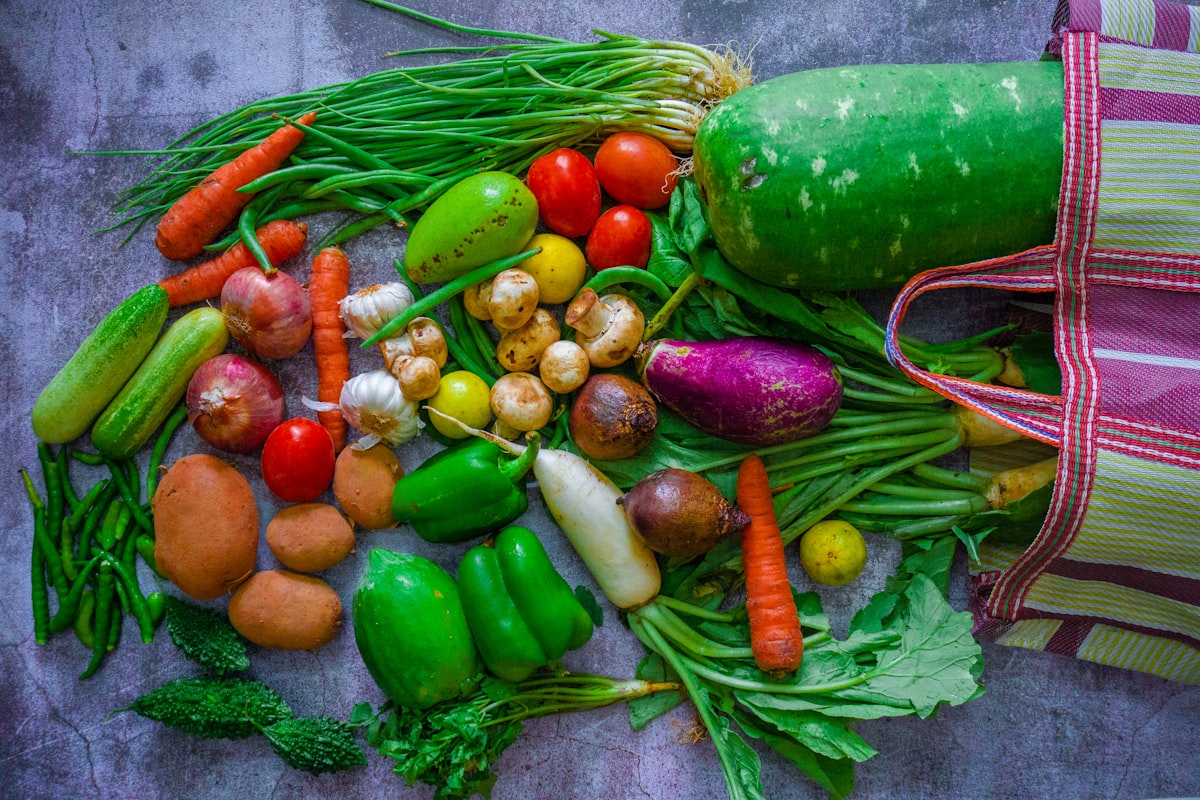
Tomat merah, brokoli, bayam, blueberry, dan delima kaya akan antioksidan pelindung. Makanan berwarna-warni ini membantu melawan kerusakan sel dan peradangan. Usahakan mengonsumsi paling tidak lima porsi sayuran dan buah setiap hari untuk mendapatkan manfaat antioksidan maksimal bagi kesehatan prostat Anda.
Pelajari Lebih Lanjut →Kisah dan Pengalaman Pembaca Kami
Artikel-artikel di situs ini sangat membantu saya memahami pentingnya nutrisi untuk kesehatan prostat. Saya mulai mengubah pola makan dengan menambahkan lebih banyak sayuran hijau dan ikan berlemak. Setelah beberapa bulan, saya merasa lebih energik dan kesehatan saya secara keseluruhan meningkat. Terima kasih atas informasi yang komprehensif dan mudah dimengerti.
Budi Santoso
Jakarta, Indonesia
Saya selalu mencari informasi terpercaya tentang kesehatan, dan platform ini memberikan penjelasan yang jelas tentang nutrisi prostat tanpa biaya tersembunyi. Panduan step-by-step mereka sangat praktis untuk diterapkan dalam kehidupan sehari-hari. Saya sangat menghargai pendekatan edukatif mereka yang fokus pada pencegahan dan gaya hidup sehat.
Rendra Wijaya
Surabaya, Indonesia
Sebagai pria berusia 50 tahun, saya mulai memperhatikan kesehatan prostat lebih serius. Konten di sini memberikan penjelasan ilmiah yang mudah dipahami tentang hubungan antara nutrisi dan kesehatan prostat. Saya telah menerapkan rekomendasi mereka dan berkonsultasi dengan dokter saya. Hasilnya sangat memuaskan dan saya merasa lebih percaya diri tentang pilihan kesehatan saya.
Hendra Kusuma
Bandung, Indonesia
Pertanyaan Umum Seputar Nutrisi Prostat
Kebutuhan seng harian untuk pria dewasa adalah 11 mg. Sumber alami seperti tiram (kaya seng), daging merah tanpa lemak, ayam, kacang-kacangan, dan biji labu dapat memenuhi kebutuhan ini. Penting untuk tidak mengonsumsi seng berlebihan, karena dapat mengganggu penyerapan mineral lain. Jika Anda mempertimbangkan suplemen, konsultasikan dengan ahli gizi atau dokter Anda terlebih dahulu untuk menentukan dosis yang tepat.
Ya, tomat merah kaya akan likopen, antioksidan yang telah dipelajari secara ekstensif untuk manfaatnya terhadap kesehatan prostat. Likopen lebih mudah diserap ketika tomat dimasak atau diproses menjadi sauce atau pasta. Mengonsumsi tomat secara rutin, baik segar maupun dalam bentuk produk olahan (tanpa tambahan gula berlebihan), dapat menjadi bagian penting dari strategi nutrisi prostat. Namun, tomat hanya satu bagian dari pola makan sehat yang lebih luas.
Perubahan pola makan memerlukan waktu untuk menunjukkan efek nyata. Kebanyakan orang mulai merasakan peningkatan energi dan kesejahteraan umum dalam 2-4 minggu. Namun, perubahan kesehatan prostat yang lebih mendalam mungkin memerlukan 2-3 bulan atau lebih tergantung pada kondisi awal kesehatan Anda. Konsistensi lebih penting daripada kecepatan. Terus pertahankan pola makan sehat sambil tetap aktif secara fisik dan mengelola stres untuk hasil optimal.
Makanan alami adalah sumber nutrisi terbaik karena mengandung kombinasi kompleks nutrisi yang bekerja bersama. Jika pola makan Anda sudah mencakup berbagai makanan sehat, Anda mungkin tidak perlu suplemen tambahan. Namun, jika Anda memiliki kekurangan nutrisi spesifik atau kondisi kesehatan tertentu, suplemen mungkin membantu. Selalu konsultasikan dengan ahli gizi atau dokter sebelum memulai rejimen suplemen apa pun untuk menghindari interaksi obat atau overdosis.
Batasi daging merah berlemak, makanan cepat saji, minuman tinggi gula, dan produk ultra-olahan yang tinggi natrium. Alkohol berlebihan juga dapat mempengaruhi kesehatan prostat. Bukan berarti Anda harus menghindari makanan ini sepenuhnya, tetapi moderasi dan pilihan yang lebih sehat adalah kuncinya. Fokus pada menambahkan makanan bergizi daripada sepenuhnya melarang makanan tertentu, yang sering kali tidak berkelanjutan dalam jangka panjang.
Pelajari Lebih Lanjut tentang Nutrisi Prostat
Jelajahi panduan lengkap kami, artikel terbaru, dan sumber daya kesehatan yang ditulis oleh tim editorial kami. Dapatkan akses ke informasi terpercaya untuk membuat keputusan kesehatan yang lebih baik.
Platform editorial kami menyediakan informasi kesehatan berbasis penelitian. Kami tidak menjual produk atau layanan kesehatan.